Individuals & Societies
Introduction to Individuals & Societies
What Is Individuals & Societies (I&S)?
Individuals & Societies (I&S) is a subject that studies how humans live, interact, and organise themselves in different societies across the world and throughout time.
It focuses on understanding the relationship between people, places, power, resources, and systems.
- Why do people live where they do?
- How do societies change over time?
- How do humans affect the environment?
- How do governments and systems influence people’s lives?
Main aims of I&S:
- To understand human behaviour and social organisation
- To develop awareness of global issues
- To think critically about the world around us
- To become informed and responsible global citizens
Key disciplines within I&S:
- History: The study of past events, people, and civilizations to understand how societies have developed and changed over time.
- Geography: The study of places, environments, and how humans interact with the physical and human world.
- Economics: The study of how people use limited resources to satisfy unlimited wants.
- Civics: The study of government systems, laws, rights, and responsibilities.
In MYP, these disciplines are often combined to help students see connections between them rather than studying them separately.
Skills Developed in Individuals & Societies
Individuals & Societies is not only about learning facts — it is about developing important academic and life skills.
Inquiry Skills:
- Asking clear and meaningful inquiry questions
- Identifying what we already know and what we need to find out
- Exploring different perspectives on an issue
Research Skills:
- Using different types of sources (textbooks, maps, images, graphs)
- Identifying primary and secondary sources
- Selecting relevant information
- Recording information accurately
Secondary sources: Sources created later (textbooks, articles).
Critical Thinking Skills:
- Distinguishing between facts and opinions
- Identifying bias in sources
- Comparing different viewpoints
- Making logical conclusions based on evidence
Note-taking & Organisation:
- Summarising information in your own words
- Organising notes using headings and bullet points
- Using diagrams, tables, and mind maps
ATL Skills in Individuals & Societies
Approaches to Learning (ATL) skills help students become independent learners and work effectively with others.
Communication Skills:
- Expressing ideas clearly in written work
- Participating in discussions and debates
- Using subject-specific vocabulary correctly
- Presenting information using visuals and oral explanations
Research Skills:
- Formulating research questions
- Evaluating the reliability of sources
- Citing sources correctly
- Organising research findings logically
Thinking Skills:
- Analysing information
- Identifying patterns and trends
- Applying knowledge to real-world situations
- Reflecting on learning
Self-Management Skills:
- Managing time effectively
- Meeting deadlines
- Staying organised
- Reflecting on strengths and areas for improvement
Maps and the World Around Us
Maps and Map Skills
A map is a representation of the Earth or part of the Earth drawn on a flat surface. Since the Earth is round, maps are simplified and scaled versions of reality.
Maps help us understand location, distance, direction, and the relationship between different places.
Why maps are important:
- To locate places accurately
- To plan travel routes
- To understand physical and human features
- To study weather, population, and resources
Types of Maps:
- Physical maps: Show natural features such as mountains, rivers, plains, and oceans.
- Political maps: Show countries, states, cities, and borders.
- Thematic maps: Show specific information such as rainfall, population, or climate.
Map Symbols and Legends:
- Symbols are pictures or signs used to represent features on a map
- A legend (key) explains what each symbol means
- Colours are also used to represent different features
Directions:
- The four main directions are North, South, East, and West
- A compass rose shows directions on a map
- Most maps are drawn with North at the top
Grid References (Introductory):
- Maps are divided into squares using vertical and horizontal lines
- Each square helps locate a place more accurately
- Grid references are read across first, then up
Latitude and Longitude (Introduction)
Latitude and longitude are imaginary lines drawn on the Earth to help locate places accurately.
Latitude:
- Lines of latitude run east to west
- They measure distance north or south of the Equator
- Measured in degrees (°)
The Equator:
- An imaginary line at 0° latitude
- Divides the Earth into the Northern and Southern Hemispheres
- Regions near the Equator usually have warm climates
Longitude:
- Lines of longitude run north to south
- They measure distance east or west of the Prime Meridian
The Prime Meridian:
- An imaginary line at 0° longitude
- Divides the Earth into the Eastern and Western Hemispheres
- Passes through Greenwich, England
Hemispheres:
- Northern Hemisphere
- Southern Hemisphere
- Eastern Hemisphere
- Western Hemisphere
Landforms
- Peninsula: A piece of land surrounded by water on three sides but connected to the mainland.
- Formed by rising sea levels or erosion.
- Often good for ports and trade.
- Example: Arabian Peninsula.
- Isthmus: A narrow strip of land connecting two larger land areas.
- Important for transportation and trade routes.
- Example: Isthmus of Panama.
- Delta: A triangular landform at the mouth of a river.
- Formed by deposition of sediments.
- Very fertile for farming.
- Example: Nile Delta.
- Oasis: A fertile area in a desert where water is found.
- Supports plant life and settlements.
- Usually forms around underground water sources.
- Glacier: A large, slow-moving mass of ice.
- Formed from compacted snow over many years.
- Can carve valleys and shape mountains.
- Fjord: A long, narrow sea inlet surrounded by steep cliffs.
- Formed by glaciers carving deep valleys that later filled with seawater.
- Common in Norway.
- Archipelago: A group or chain of islands.
- Usually formed by volcanic activity or tectonic movement.
- Example: Indonesia.
- Lagoon: A shallow body of water separated from the ocean by sandbars or coral reefs.
- Often found near tropical beaches.
- Cape: A point of land that extends into water.
- Formed by erosion or changes in sea level.
- Butte: An isolated hill with steep sides and a flat top.
- Smaller than a mesa.
- Formed by erosion.
- Mesa: A large flat-topped hill with steep sides.
- Common in desert regions.
- Formed by erosion of surrounding land.
- Badlands: Dry areas with heavily eroded rocks and little vegetation.
- Formed by wind and water erosion.
- Have unusual rock shapes and colors.
- Sand Dune: A hill of sand formed by wind.
- Common in deserts and beaches.
- Can move over time due to wind.
- Salt Flat: A flat area covered with salt and minerals.
- Forms when lakes evaporate.
- Very dry and reflective surface.
- Deep, narrow valleys with steep sides.
- Usually formed by river erosion over long periods.
- Steep rock faces along coasts or mountains.
- Often formed by wave erosion or tectonic activity.
- Mountains:
- Very high landforms with steep slopes.
- Formed by tectonic plate collision or volcanic activity.
- Cold climate at high elevations.
- Hills:
- Raised land lower and less steep than mountains.
- Often covered with vegetation.
- Plateaus:
- Flat-topped high areas of land.
- Often rich in minerals.
- Plains:
- Large flat or gently rolling areas.
- Fertile soil; ideal for farming and settlements.
- The Earth's crust is broken into large pieces called tectonic plates.
- When these plates move, they can collide, pull apart, or slide past each other.
- Colliding plates can push land upward to form mountains.
- Separating plates can form valleys or rift zones.
- Sliding plates can cause earthquakes and cracks in the Earth's surface.
- These processes form mountains, fault lines, and ocean trenches.
- Volcanoes form when magma (molten rock) rises from inside the Earth.
- When magma reaches the surface, it is called lava.
- As lava cools and hardens, it builds up layers of rock.
- This can form volcanic mountains and islands.
- Over time, repeated eruptions make the landform bigger.
- Weathering is the breaking down of rocks into smaller pieces.
- Physical weathering: Rocks break due to temperature changes, ice, or plant roots.
- Chemical weathering: Rocks break down due to reactions with water and air.
- Weathering does not move rocks — it only breaks them down.
- Erosion is the movement of weathered rock and soil.
- It is caused by water, wind, ice (glaciers), and gravity.
- Rivers can carve valleys and canyons.
- Wind can shape sand dunes.
- Glaciers can carve deep valleys and fjords.
- Deposition happens when eroded materials are dropped in a new location.
- Rivers deposit sediments to form deltas and floodplains.
- Wind deposits sand to form dunes.
- Ocean waves deposit sand to form beaches.
- Waves constantly hit coastlines, wearing away rock (erosion).
- This can form cliffs, arches, stacks, and beaches.
- Over time, coastlines change shape due to these processes.
How are Landforms Formed?
1. Tectonic Movement (Plate Movement)
2. Volcanic Activity
3. Weathering
4. Erosion
5. Deposition
6. Water and Coastal Processes
Important: Most landforms are formed by a combination of these processes working together over long periods of time.
Weather and Climate
Weather and climate describe conditions of the atmosphere, but they are not the same.
Weather:
- Refers to day-to-day conditions of the atmosphere
- Includes temperature, rainfall, wind, and humidity
- Can change quickly
Climate:
- Refers to the average weather of a place over a long period of time
- Usually measured over 30 years or more
- Examples: tropical, temperate, polar climates
Importance of Climate:
- Affects the type of clothes people wear
- Influences farming and food production
- Determines housing styles
- Shapes daily activities and lifestyles
History – Past Societies
Understanding History
History is the study of past events, people, and societies. It helps us understand how the world we live in today has been shaped by actions and decisions made in the past.
By studying history, we learn about different cultures, ideas, and ways of life, and we can better understand change over time.
Why do we study history?
- To understand how societies developed
- To learn from past successes and mistakes
- To understand different perspectives
- To develop critical thinking skills
Historical Sources:
- Primary sources: Original records created at the time being studied, such as letters, diaries, artefacts, tools, photographs, and inscriptions.
- Secondary sources: Accounts created after the event, such as textbooks, documentaries, and articles written by historians.
Timelines:
- Timelines show events in chronological order
- They help us understand the sequence of events
- They show cause and effect over time
Early Human Societies
Early human societies were the first groups of humans who lived together and depended directly on their environment for survival.
Hunter-Gatherer Societies:
- Early humans lived by hunting animals and gathering plants
- They moved from place to place in search of food and water
- They lived in small groups or tribes
- Tools were made from stone, bone, and wood
Life as a hunter-gatherer was difficult and depended heavily on natural conditions.
The Agricultural Revolution:
- People learned to grow crops and domesticate animals
- This led to a steady food supply
- People no longer needed to move constantly
Permanent Settlements:
- Villages and towns began to develop
- Populations increased
- New jobs and skills developed (farmers, potters, builders)
- Settlements were often near rivers and fertile land
civilisations:
what are we able to learn about the past?
Before we explore ancient civilisations, it's a good idea to consider the ways in which we can study the past.
The study of history involves the interpretation of the evidence that remainsof the past. This evidence can come in many different forms; for instance, the ruins of an Ancient Roman city could provide a range of clues about the way of life for people living at that time, as well as architectural styles, systems of government, art, religion and more.
Taking a more modern example, a newspaper from the time of the First World War would provide a range of information we could use to gain a better understanding of the war and how it was reported.
Historical sources
Historical sources are often divided into the categories of primary and secondary sources. Primary sources are typically produced at the time of an event or are artefacts from the time.
Secondary sources are usually produced later than the event, and usually involve some form of account or interpretation of something that happened in the past.
Examples of primary sources
- Newspapers
- Diaries
- Photographs
- Artefacts (for example, coins, pottery, jewelry, clothing)
- Letters
- Art, music
Examples of secondary sources
- Books on history
- School textbooks
- Journals and academic articles
- Biographies
- Magazines
- Websites
What is a civilization?
The term 'Civilization' is used to refer to an advanced society at a particular time period in history. Civilizations developed from earlier hunter-gatherer societies to be more centrally controlled and organized and, therefore, more complex. The main reason why this change happened was because of advances in farming techniques that allowed greater levels of production. This meant that people could focus on a wider range of other jobs. Work diversified to include builders, craft workers and religious and governmental positions.
Ancient Civilizations: Indus Valley & Mesopotamia
Ancient civilizations were advanced societies with organised systems of living, governance, technology, and culture. These civilizations developed mainly along rivers, which provided water, fertile land, and transport routes.
Key characteristics of ancient civilizations:
- Permanent settlements and planned cities
- Surplus food production
- Specialised jobs and social organisation
- Systems of governance
- Religious beliefs and cultural practices
- Use of technology and tools
The Indus Valley Civilization (c. 2600–1900 BCE):
The Indus Valley Civilization developed along the Indus River in present-day India and Pakistan. Major cities included Harappa and Mohenjo-daro. It was one of the earliest urban civilizations in the world.
City Planning:
- Cities were carefully planned in a grid pattern, showing advanced urban design.
- Streets crossed each other at right angles, with main roads and smaller lanes.
- Houses were built using uniform baked bricks, often with multiple rooms and flat roofs.
- Many homes had courtyards, wells, and private bathing areas, indicating concern for comfort and hygiene.
- Buildings were often two stories high, showing advanced architectural knowledge.
Drainage and Sewage Systems:
- Most houses were connected to an underground drainage system with covered sewers beneath the streets.
- Bathrooms and kitchens had dedicated drains to remove wastewater efficiently.
- Drainage systems were made of brick-lined channels, with maintenance holes for cleaning.
- Some houses even had soak pits to manage wastewater locally, preventing contamination of main sewers.
Power and Resource Distribution:
- Water management was highly developed: wells and reservoirs supplied households and public baths.
- Grain storage, possibly controlled by local authorities, ensured stable food supply for the population.
- Trade networks distributed goods like pottery, beads, and metals across the region and to Mesopotamia.
The Great Bath (Mohenjo-daro):
- A large rectangular tank constructed with waterproof bricks, located in the city center.
- Likely served ritualistic or ceremonial purposes, possibly religious or community gatherings.
- Surrounded by rooms, suggesting a communal or administrative function alongside bathing.
Seals and Artefacts:
- Small carved stone seals depicted animals, geometric designs, and script symbols.
- Used for trade, marking ownership, and administrative purposes.
- Provide evidence of a standardized system of trade and early literacy, though the script is still undeciphered.
Daily Life and Economy:
- Occupations included farming, trading, pottery-making, weaving, metalwork, and construction.
- Trade occurred both locally and with distant regions, including Mesopotamia and Central Asia.
- Standardized weights, measures, and brick sizes indicate an organized economy and governance system.
- Public granaries suggest planning for food storage and equitable distribution among citizens.
- Homes, baths, and streets reflect a high standard of urban life and concern for hygiene.
Architecture and Innovations:
- Public buildings, granaries, and marketplaces were built with uniform design principles.
- Advanced brickwork, drainage, and water management show technical expertise.
- City layout and infrastructure indicate early forms of municipal planning and civic responsibility.
The Mesopotamian Civilization (c. 3500–539 BCE):
Mesopotamia developed between the Tigris and Euphrates rivers in present-day Iraq. Often called the “cradle of civilization”, it was home to Sumerians, Akkadians, Babylonians, and Assyrians.
Early Cities and Urban Planning:
- Important cities: Ur, Uruk, Babylon, Lagash, Nippur
- Cities were protected by high walls and gates; streets were organized though irregular compared to Indus Valley grids.
- Temples, called ziggurats, stood at the city center for religious and administrative purposes.
- Houses were made of mud-bricks, often rectangular, with flat roofs and multiple rooms.
- Homes sometimes had private courtyards, small wells, and storage areas for grain and water.
Drainage, Sewage, and Water Management:
- Simple drains ran alongside streets in some cities.
- Water for households and agriculture was taken from canals and rivers.
- Irrigation systems allowed farming in otherwise arid regions.
Writing and Records:
- Cuneiform: One of the first writing systems, inscribed on clay tablets using reed styluses.
- Used for laws, trade records, taxes, and religious texts.
- Enabled organized governance and administration across cities.
Artefacts and Technology:
- Bronze tools, weapons, and pottery for daily life and trade.
- The wheel facilitated transport and pottery making.
- Ploughs improved agriculture; irrigation canals distributed water to fields.
- Seals and tokens used for trade and ownership verification.
Law and Governance:
- Code of Hammurabi: Earliest written law code, publicly displayed on stone stele.
- Contained 282 laws covering trade, property, marriage, and punishments.
- Reflected the importance of social order, justice, and authority.
Daily Life and Economy:
- People were farmers, craftsmen, traders, and officials.
- Farming depended on irrigation; crops included barley, wheat, dates, and vegetables.
- Trade occurred locally and with distant regions like the Indus Valley and Egypt.
- Standardized weights, measures, and currency facilitated trade.
- Household life included cooking, textile work, pottery, and family rituals.
Religion and Culture:
- Polytheistic religion: gods represented natural forces and city patronage.
- Ziggurats served as religious and administrative centers.
- Festivals, offerings, and rituals were part of daily life.
- Music, art, and storytelling were important cultural elements.
Why Rivers Were Essential:
- Provided water for drinking, agriculture, and sanitation.
- Fertile soil from flooding allowed reliable crop production.
- Enabled river transport and trade, connecting cities across Mesopotamia and beyond.
Communities
A community is a group of people who live, work, or share common interests together. Communities help people support one another and live cooperatively.
Types of Communities:
- Local community: People living in the same area such as a neighbourhood, village, or town.
- National community: People living within the same country who share laws, government, and national identity.
- Global community: People around the world connected through trade, communication, shared problems, and international organisations.
Communities need organisation, cooperation, and shared rules in order to function smoothly.
Rules and Laws
Rules and laws are guidelines that help maintain order, safety, and fairness in society. They tell people what is acceptable and unacceptable behaviour.
Rules:
- Usually apply to specific places, such as homes, schools, or workplaces.
- Help ensure safety, discipline, and smooth functioning within smaller communities.
- Consequences are often mild, such as warnings or small penalties.
- Examples: School dress codes, workplace safety regulations, household chores.
Laws:
- Apply to the entire country and all citizens.
- Are created and enforced by the government through a formal legal system.
- Breaking laws can result in serious punishment such as fines, imprisonment, or other penalties.
- Examples: Traffic laws, criminal codes, tax laws.
Why rules and laws are important:
- Maintain peace and order in society.
- Protect individual and collective rights.
- Ensure fairness and justice for all members of society.
- Provide frameworks to resolve disputes and conflicts peacefully.
- Promote social stability and trust in institutions.
Pillars of the Legal System:
- Legislation: Laws are created by legislative bodies (parliaments or assemblies) to set formal rules for society.
- Judiciary: Courts interpret and apply the laws, resolving disputes and ensuring justice is served.
- Enforcement: Police and other authorities implement and enforce laws, maintaining order and safety.
- Legal Principles: Core concepts such as equality before the law, presumption of innocence, and protection of rights support fairness and accountability.
Rights and Responsibilities
Rights and responsibilities are essential aspects of citizenship. They ensure that people are treated fairly while contributing positively to society. Rights protect individuals, while responsibilities guide behaviour for the common good.
Rights:
- Things that people are legally or morally entitled to.
- Protect freedom, safety, and dignity of individuals.
- Examples: Right to education, freedom of expression, protection from discrimination.
- Help ensure equality and justice within society.
Rights of Children:
- Right to education: Access to schools and learning opportunities.
- Right to health and safety: Protection from abuse, access to healthcare.
- Right to express opinions: Ability to be heard in matters affecting them.
- Right to protection: From neglect, exploitation, and harmful practices.
Responsibilities:
- Following rules and laws to maintain order and fairness.
- Respecting others’ rights, beliefs, and property.
- Taking care of the environment and using resources responsibly.
- Contributing positively to the community, e.g., volunteering or civic engagement.
- Participating in democratic processes when eligible, such as voting or community discussions.
Connection to the Legal System:
- Rights are protected by laws and upheld by the judiciary and enforcement agencies.
- Responsibilities are enforced through legal frameworks and social expectations.
- Balance between rights and responsibilities ensures justice, equality, and social stability.
Government
Government is the system through which a country is organised and governed. It is responsible for making decisions, creating laws, and managing public services.
Main roles of government:
- Making and enforcing laws
- Protecting citizens
- Providing services such as education and healthcare
- Managing the economy
- Protecting the rich (don't write this just saying)
Types of Governance
Governance refers to how a country or state is ruled, including how power is distributed, exercised, and limited. Different systems affect citizens’ rights, responsibilities, and daily life.
Monarchy:
- Power is held by a king, queen, or emperor.
- Leadership is often hereditary, passing within a family.
- Types of monarchy:
- Absolute Monarchy: Monarch has complete control over laws, economy, military, and governance. Examples: Louis XIV in France, historical Saudi Arabia.
- Constitutional Monarchy: Monarch shares power with elected bodies; limited by constitution. Examples: United Kingdom, Japan, Sweden.
- Citizens in absolute monarchies may have few freedoms, while in constitutional monarchies, they enjoy civil liberties and participate through voting.
- Legal System: Monarch often influenced the creation of laws, though in constitutional monarchies, an independent judiciary enforces laws and upholds rights.
- Advantages: Stable leadership, clear succession.
- Disadvantages: Risk of abuse of power in absolute monarchies, limited citizen participation.
Democracy:
- Power lies with the people, exercised through voting, representation, and civic engagement.
- Types of democracy:
- Direct Democracy: Citizens vote on laws and policies directly. Examples: Ancient Athens, some modern referendums.
- Representative Democracy: Citizens elect representatives to make decisions on their behalf. Examples: India, United States, Canada.
- Focuses on equality, freedoms, accountability, and transparency.
- Citizens’ roles: Vote, pay taxes, obey laws, participate in civic activities, hold leaders accountable.
- Legal System: Independent judiciary interprets and enforces laws; legislative bodies make laws reflecting citizens’ needs.
- Advantages: Citizens have influence, protection of rights, adaptability to change.
- Disadvantages: Decisions may take longer due to consultation, risk of political instability.
Dictatorship:
- Power concentrated in a single leader or small group.
- No free elections; political opposition is often suppressed.
- Limited individual freedoms and restricted media.
- Examples: North Korea, Nazi Germany (1933–1945), historical Chile under Pinochet.
- Legal System: Laws often serve the leader’s interests; judiciary may lack independence.
- Advantages: Quick decision-making, strong central control.
- Disadvantages: Abuse of power, lack of citizen input, limited accountability.
Other Forms of Governance:
- Oligarchy: Rule by a small, powerful group based on wealth, family, or military. Example: Ancient Sparta.
- Theocracy: Government led by religious leaders or laws based on religion. Example: Iran, Vatican City.
- Federal System: Power shared between central and regional governments. Example: USA, India, Germany.
Impact on Daily Life:
- Governance affects education, healthcare, public services, and infrastructure.
- Distribution of power influences citizens’ freedoms, taxes, and responsibilities.
- Legal enforcement, rule of law, and social stability are shaped by governance type.
Types of Governance
Governance refers to how a country or state is ruled, including how power is distributed, exercised, and limited. Different systems affect citizens’ rights, responsibilities, and daily life.
Monarchy:
- Power is held by a king, queen, or emperor.
- Leadership is often hereditary, passing within a family.
- Types of monarchy:
- Absolute Monarchy: Monarch has complete control over laws, economy, military, and governance. Examples: Louis XIV in France, historical Saudi Arabia.
- Constitutional Monarchy: Monarch shares power with elected bodies; limited by constitution. Examples: United Kingdom, Japan, Sweden.
- Citizens in absolute monarchies may have few freedoms, while in constitutional monarchies, they enjoy civil liberties and participate through voting.
- Legal System: Monarch often influenced the creation of laws, though in constitutional monarchies, an independent judiciary enforces laws and upholds rights.
- Advantages: Stable leadership, clear succession.
- Disadvantages: Risk of abuse of power in absolute monarchies, limited citizen participation.
Democracy:
- Power lies with the people, exercised through voting, representation, and civic engagement.
- Types of democracy:
- Direct Democracy: Citizens vote on laws and policies directly. Examples: Ancient Athens, some modern referendums.
- Representative Democracy: Citizens elect representatives to make decisions on their behalf. Examples: India, United States, Canada.
- Focuses on equality, freedoms, accountability, and transparency.
- Citizens’ roles: Vote, pay taxes, obey laws, participate in civic activities, hold leaders accountable.
- Legal System: Independent judiciary interprets and enforces laws; legislative bodies make laws reflecting citizens’ needs.
- Advantages: Citizens have influence, protection of rights, adaptability to change.
- Disadvantages: Decisions may take longer due to consultation, risk of political instability.
Dictatorship:
- Power concentrated in a single leader or small group.
- No free elections; political opposition is often suppressed.
- Limited individual freedoms and restricted media.
- Examples: North Korea, Nazi Germany (1933–1945), historical Chile under Pinochet.
- Legal System: Laws often serve the leader’s interests; judiciary may lack independence.
- Advantages: Quick decision-making, strong central control.
- Disadvantages: Abuse of power, lack of citizen input, limited accountability.
Other Forms of Governance:
- Oligarchy: Rule by a small, powerful group based on wealth, family, or military. Example: Ancient Sparta.
- Theocracy: Government led by religious leaders or laws based on religion. Example: Iran, Vatican City.
- Federal System: Power shared between central and regional governments. Example: USA, India, Germany.
Impact on Daily Life:
- Governance affects education, healthcare, public services, and infrastructure.
- Distribution of power influences citizens’ freedoms, taxes, and responsibilities.
- Legal enforcement, rule of law, and social stability are shaped by governance type.
Economic Systems
Economic systems explain how a country produces, distributes, and consumes goods and services.
Capitalism:
- Private individuals own businesses and property
- Prices are determined by supply and demand
- Encourages competition and innovation
Communism:
- Property and resources are owned by the state
- Aims for equal distribution of wealth
- Economic decisions are made by the government
Needs and Wants
Economics is the study of how people make choices about using limited resources to satisfy their needs and wants.
Needs:
- Things that are essential for survival
- Without needs, humans cannot live safely or healthily
- Examples: food, water, shelter, clothing, healthcare
Wants:
- Things people desire but do not need to survive
- Make life more comfortable or enjoyable
- Examples: toys, video games, branded clothes, holidays
Needs are limited and basic, but wants are unlimited and can change over time.
Scarcity:
- Scarcity means that resources are limited
- People cannot have everything they want
- This forces individuals, governments, and businesses to make choices
Examples of scarcity:
- Limited money to buy many things
- Limited natural resources like water or oil
- Limited time to do multiple activities
Goods and Services
Goods and services are produced to satisfy people’s needs and wants.
Goods:
- Physical items that can be seen and touched
- Can be bought, sold, or used
- Examples: books, food, furniture, phones, clothes
Types of Goods:
- Consumer goods: Used directly by people (food, toys)
- Capital goods: Used to produce other goods (machines, tools)
Services:
- Actions or work done for others
- Cannot be touched or stored
- Examples: teaching, medical care, transport, haircuts
Most people depend on both goods and services in their daily lives.
5.3 Production and Consumption
Production and consumption describe how goods and services are made and used in an economy.
Production:
- The process of making goods or providing services
- Uses resources such as land, labour, and capital
- Done by farmers, factories, companies, and workers
Factors of Production:
- Land: Natural resources like water, soil, minerals
- Labour: Human effort and skills
- Capital: Tools, machines, buildings
Consumption:
- The use of goods and services to satisfy needs and wants
- Done by individuals, families, and governments
- Consumption depends on income and choices
Production and consumption are connected — goods must be produced before they can be consumed.
Saving and Spending
People earn money through work or allowances and must decide how to use it. This involves making choices between saving and spending.
Spending:
- Using money to buy goods and services
- Necessary to meet basic needs
- Requires careful decision-making
Saving:
- Keeping money for future use
- Helps prepare for emergencies or long-term goals
- Can be done using piggy banks or bank accounts
Why saving is important:
- Helps achieve future goals
- Provides financial security
- Encourages responsible money habits
Wise Financial Choices:
- Deciding between needs and wants
- Planning how to use money carefully
- Avoiding unnecessary spending
Environment and Society
The environment includes all living and non-living things around us, such as air, water, land, plants, animals, and climate. Society refers to how humans live together, including communities, economies, cultures, and governments.
Environment and society are closely connected. Human survival depends on natural resources, but human activities can also harm the environment.
Human use of natural resources:
- Water for drinking, farming, and industry
- Land for housing, agriculture, and transport
- Forests for timber, fuel, and paper
- Minerals and fossil fuels for energy and technology
Impact of human activities on the environment:
- Deforestation due to farming, urbanisation, and logging
- Air pollution from vehicles, factories, and power plants
- Water pollution from waste, chemicals, and sewage
- Soil degradation from over-farming and chemical use
These activities can damage ecosystems, reduce biodiversity, and negatively affect human health.
Environmental consequences:
- Climate change caused by increased greenhouse gases
- Loss of wildlife habitats and extinction of species
- Natural disasters becoming more frequent or severe
- Shortage of clean air and safe drinking water
Sustainable Practices
Sustainability means meeting the needs of the present without harming the ability of future generations to meet their own needs. It balances environmental, economic, and social considerations.
Sustainable practices aim to protect natural resources, maintain ecological balance, and support human development.
Conservation:
- The careful use and protection of natural resources to prevent depletion.
- Reduces waste and environmental damage, ensuring resources last longer.
- Examples include preserving forests, wetlands, and biodiversity.
Energy and Resource Management:
- Using renewable energy sources such as solar, wind, and hydroelectric power.
- Reducing energy consumption through energy-efficient appliances and buildings.
- Responsible water usage, rainwater harvesting, and wastewater recycling.
- Minimising single-use plastics and promoting reuse and recycling.
Pollution Reduction:
- Reducing emissions from factories, vehicles, and agriculture.
- Controlling air, water, and land pollution to protect human health and ecosystems.
- Implementing proper waste management systems.
Urban and Community Sustainability:
- Developing green spaces, parks, and tree plantations in cities.
- Encouraging public transport, cycling, and walking to reduce carbon footprint.
- Community education programs to raise awareness about sustainable lifestyles.
- Supporting local and sustainable food production, reducing food miles.
Economic and Social Sustainability:
- Promoting jobs and industries that are environmentally friendly and socially responsible.
- Fair trade and ethical consumption to support communities globally.
- Balancing development with environmental preservation for long-term stability.
Renewable and Non-Renewable Resources
Renewable resources:
- Resources that can be naturally replenished over a short period of time.
- Generally less harmful to the environment when used responsibly.
- Examples include:
- Solar energy from sunlight
- Wind energy through turbines
- Hydropower from rivers and dams
- Forests and crops, if managed sustainably
- Advantages: Provide long-term energy and raw materials, help reduce pollution, and maintain ecological balance.
Non-renewable resources:
- Resources that exist in finite amounts and take millions of years to form.
- Overuse can lead to scarcity and serious environmental problems such as air and water pollution, habitat destruction, and climate change.
- Examples include:
- Fossil fuels: coal, oil, natural gas
- Minerals and metals: iron, copper, gold
- Consequences of overuse: Increased greenhouse gas emissions, soil degradation, and loss of biodiversity.
Sustainable Daily Practices:
- Use public transport, cycle, or walk instead of relying on private vehicles.
- Reduce, reuse, and recycle materials to minimise waste.
- Support and use renewable energy where possible, such as solar panels or green electricity plans.
- Buy only what is needed to prevent overconsumption and reduce resource strain.
- Practice water conservation: use water wisely and fix leaks promptly.
- Participate in community clean-ups and tree-planting programs.
Global Citizenship
Global citizenship means understanding that we are part of a worldwide community and that our actions can affect people and environments across the globe.
A global citizen is aware of global issues and acts responsibly to help create a fairer and more sustainable world.
Key characteristics of a global citizen:
- Respects different cultures, beliefs, and traditions
- Understands global problems such as poverty and climate change
- Cares about human rights and equality
- Acts responsibly toward the environment
Examples of global issues:
- Climate change
- Pollution and waste
- Poverty and hunger
- Lack of access to education and healthcare
- Overall social inequality
social inequality and environmental wellbeing - what does it mean to be a global citizen?
Human rights issues can often involve prejudice and discrimination.
Prejudice
Dislike or hatred towards someone based on unfair opinions, for example, racism, sexism
Discrimination
Treating someone differently, usually in a negative manner based on unfair opinions; for example, racist laws in a country
The environment
Environmental issues are a major global problem and we will examine two case studies in this chapter. Environmental issues relate to anything that is damaging or threatening to both natural and human environments. Examples of environmental damage include pollution, the depletion of natural resources and waste disposal. There are many people in the world who are committed to improving the environment and there are a variety of ways that people can make a difference.
Political representation
This refers to the different ways that people are governed. Many people in the world live under repressive governments where their human rights may be threatened. In these areas people often do not have the ability to choose who represents them in government.
Terrorism
Terrorism is a global issue with a variety of causes. It usually involves violence against people in the name of a particular cause. This violence nearly always leads to a lot of suffering.
Health
Proportionally, very few people in the world have access to high-quality health care. There are many parts of the world where several thousands of people share access to a single doctor. Health can be seen to be a global issue owing to these inequalities. In addition, there are parts of the world where health issues can become considerably worse during AMBULANCE times of war, natural disasters, drought or famine conditions
Resources
Resources refer to the amount of goods that people or countries have access to. These resources could refer to food, water, medicines or schools.
Wars
Wars have shaped and continue to shape human life in a negative way. Wars nearly always involve a severe loss of life and they have many causes and consequences. Efforts to promote peacemaking can improve this global issue but are not adequate in a full, sustainable solution.
The effect of societal development on the environment-- Plastic in oceans
Plastic is a very useful product: it is cheap and easy to make and it lasts a long time. Like how much plastic do you use in a day? It's everywhere from shampoo bottles to wires to chairs.
Despite these uses, plastic is undoubtedly a problematic material for the environment. This is because most of the plastic waste in the world ends up in landfill sites or in the seas and oceans. As plastic takes a very long time to break down - and in many cases it never completely degrades - this creates a major environmental issue. In recent years, environmentalists have been campaigning to raise more awareness
You can most see this on beaches. For example, on a number of beaches in Hawaii, the plastic waste is genuinely so high that you actually need to dig into it to find decent amounts of sand. In addition, the vast majority of this plastic is not from Hawaii itself but has floated thousands of miles across the Pacific Ocean before reaching these beaches.
What are the consequences of plastic in the oceans?
1 Harmful to wildlife
One of the most significant consequences of plastic pollution is to wildlife. Marine animals can choke on pieces of plastic in the seas and oceans, often leading to death. Moreover, plastic can entangle animals causing them serious injury.
2 Environmental damage
A wide variety of environments can be affected by plastic pollution. As plastic does not break down easily it stays in the same place for a long time. The impact is evident on many beaches around the world, landfill sites and the collection of plastic in the oceans.
3 Plastic takes a long time to break down
The big problem of plastic pollution is getting it to break down. Plastic, unlike other materials, does not degrade fully. This means that if plastic is dropped as litter, it is likely to remain intact for a long time. Added to this problem is the throwaway culture in which plastic is often used. For instance, water bottles are often used only once and then thrown away, making these environmental issues more severe.
4 Health consequences for humans
Plastic can also be harmful to human health if it ends up in the food chain. Although research into the effects of plastic on human health is still in its early stages, there are concerns about how the scale of plastic in our natural environments will affect human health
how can we reduce plastic in oceans?:
1 Reduce
One of the easiest ways to improve the conditions of the environment due to plastic disposal is simply to use less plastic. Instead of purchasing single-use plastic water bottles, a reusable water bottle can significantly reduce wastage. By being more conscious of what we buy and how we dispose of it we can have positive effects on the environment.
2 Recycle
Plastic can be used more than once. Therefore, one way of reducing the impact of plastic use on the environment is through recycling. For instance, a plastic bag can be recycled and used numerous times for shopping. Plastic can be sorted for disposal and then recycled for different uses in local facilities.
3 Clean up
Another way to reduce the impact of plastic on the environment can be seen through efforts to actually clean it up. This can be done by individuals and local communities but also on national and global scales. Beach clean-ups are a good example of this in action.
4 Legal action
Governments hold huge power to help reduce the plastic problem. Laws can be passed which give people greater environmental responsibility. International organizations like the United Nations can also initiate more global responsibility towards the environment. Individuals can campaign to their local and national government representatives to take more action to improve environments.
5 Technology
New technologies could also be a solution by finding new products in the future or developing technology to clean up the seas and oceans.
Case study - The United Nations Global Goals for Sustainable Development
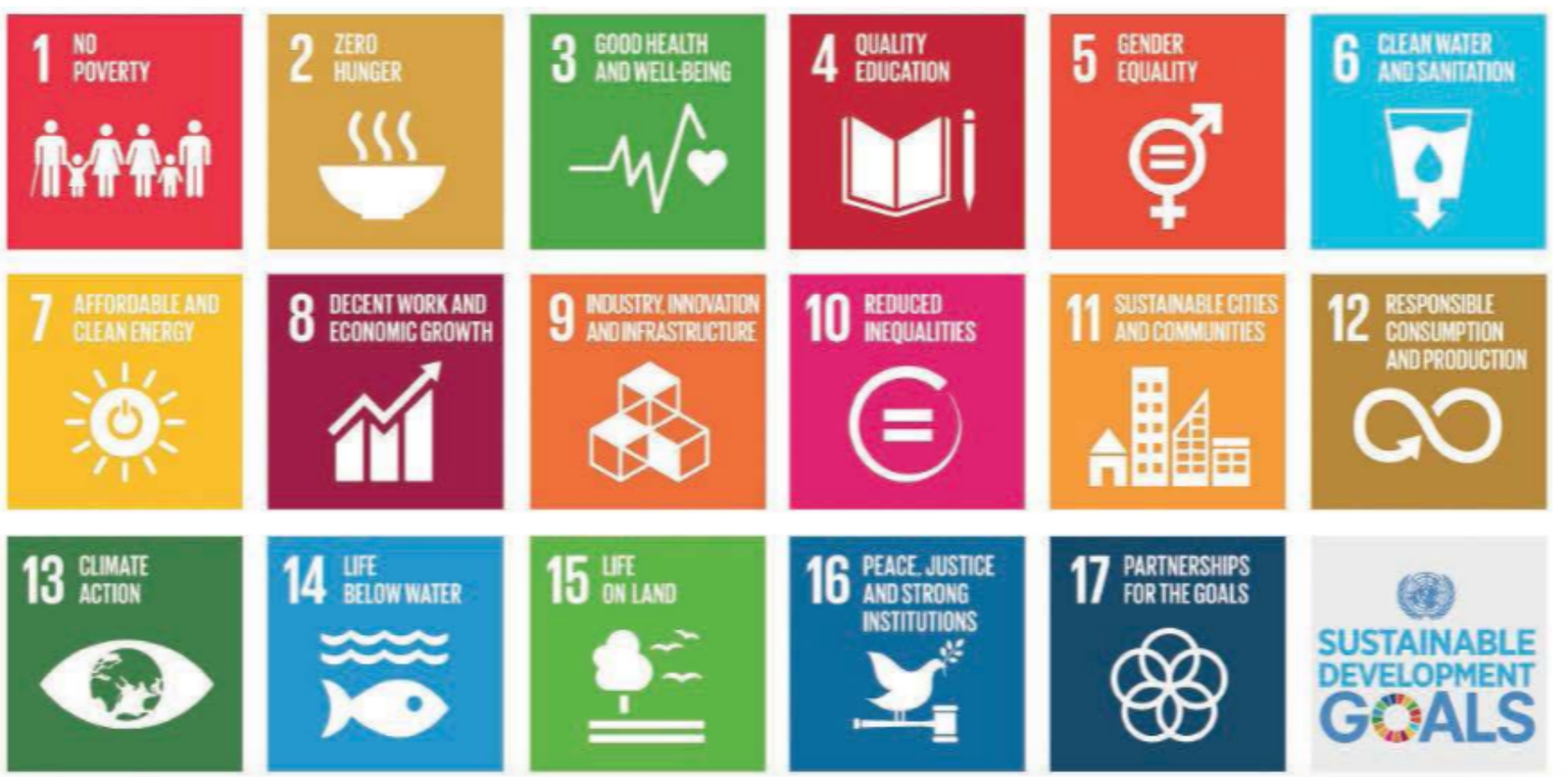
In September 2015, the UN launched the Global Goals, a set of targets for the world over the next 15 years . The aims of these goals include ending extreme poverty, tackling climate change and getting rid of inequality.
Although launched by an international organization, the only way that these goals can be successful is if there individualistic action by global citizens, organizations and governments around the world to commit to these practices
Understanding OPVL
Step One – OPVL: Origin, Purpose, Value, Limitation
Origin, Purpose, Value and Limitation (OPVL) is a technique for analyzing historical documents. It is used extensively in the International Baccalaureate curriculum and assessments and is highly effective in developing critical historical thinking. OPVL is closely related to Document Based Questions (DBQs).
Origin
In order to analyze a source, you must first identify what it is. Not all origin questions can always be answered, but the more you know about where a document comes from, the easier it becomes to determine its purpose, value, and limitations.
The distinction between primary and secondary sources can be complex, as historians often debate how certain documents should be classified.
Primary Sources
Letters, journals, interviews, speeches, photographs, paintings, and other firsthand materials. These are created by individuals directly involved in events and present original perspectives. They are not filtered through later interpretation.
Secondary Sources
Materials written with hindsight that interpret or evaluate primary sources, such as history textbooks or scholarly analyses. Political cartoons can sometimes function as either primary or secondary sources depending on context.
Note: One type is not inherently more reliable than the other. Both provide valuable historical evidence.
Key Origin Questions
- Who created/published the source?
- When was the source created and published?
- What is the source type?
Purpose
Purpose focuses on why the document exists. You must think from the author’s perspective and evaluate the document as a standalone piece.
- What does the source say?
- Does it carry a messagge deeper than the surface?
- What format is it and why was this format chosen?
- Who was the intended audience?
- What does the document explicitly state?
Avoid phrases like “I think”. Instead, write: “The document suggests… because this is supported by…”
Value
This is where you evaluate the document as a historian. Based on the origin and purpose, determine what value the document has as historical evidence.
- What does it reveal about the author?
- What does it show about the time period?
- Under what circumstances was this created?
- How did these circumstances influence its creation?
- Does the author take a particular perspective or side?
Example of Value Analysis:
The journal entry written by President Truman before the atomic bombing of Japan demonstrates his moral dilemma and awareness of diplomatic, military, and humanitarian consequences.
Limitation
Limitations identify where the document ceases to be useful for historians—not simply its flaws.
- Is there anything innacurately reflected about the time period?
- What is purposefully left out?
- Is this verifiable, how?
- What is not included?
Bias does not automatically limit a source’s value. If discussing bias, explain who the source favors or excludes and why.
| Category | Guiding Questions |
|---|---|
| Origin | When, where, and by whom was it produced? |
| Purpose | What was the intended audience and intent? |
| Value | What makes this document useful to historians? |
| Limitation | What can this document not tell us? |
OPVL Rubric
| Category | A | B | C | D–F |
|---|---|---|---|---|
| Origin | Strong and extensive understanding | Clear understanding | Some understanding | No understanding |
| Purpose | Strong understanding of author, context, and intent | Some understanding | Limited understanding | No understanding |
| Value | Two or more accurate, relevant insights | Somewhat accurate insights | Limited or inaccurate insights | Missing or incorrect |
| Limitation | Two or more accurate, relevant insights | Somewhat accurate insights | Limited or inaccurate insights | Missing or incorrect |